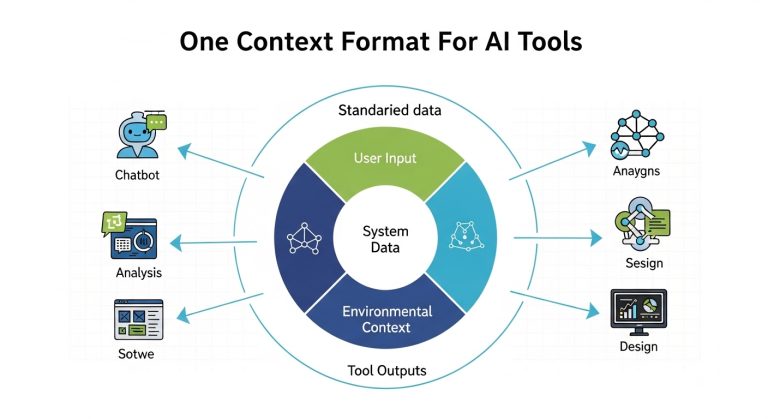

FAF Simplifies AI Context Management for Development Teams
FAF is transforming how development teams manage AI context by reducing complexity and improving workflow efficiency. As artificial intelligence becomes a core part of software development, handling context across multiple projects, tools, and team members has become increasingly challenging. FAF addresses these concerns through streamlined context management, helping developers maintain consistency, improve collaboration, and enhance productivity. By simplifying how AI systems access and utilize relevant information, FAF enables teams to focus more on innovation and less on administrative overhead. Organizations adopting FAF can benefit from faster development cycles, improved accuracy, and better coordination across technical environments.
Understanding Modern AI Context Challenges
Growing Complexity in Development Workflows
Development teams often manage numerous repositories, documentation sources, and communication channels simultaneously. AI tools require accurate context from these resources to deliver meaningful outputs. Without efficient management, fragmented information can create confusion, slow productivity, and reduce the effectiveness of AI-assisted development across projects and teams.
Information Fragmentation Across Systems
Teams frequently store critical information in separate platforms, making context retrieval difficult. Developers may struggle to provide AI systems with complete and accurate data. FAF reduces these barriers by creating a more unified approach, ensuring AI tools can access essential information without unnecessary complexity or duplication.
Context Switching and Productivity Loss
Frequent movement between tools and information sources interrupts concentration and impacts productivity. Developers often spend valuable time gathering context instead of solving problems. FAF minimizes these interruptions by streamlining access to relevant information, allowing AI systems and users to remain focused on current development objectives.
Challenges of Scaling AI Adoption
As organizations expand AI usage, maintaining context consistency becomes increasingly difficult. Different teams may follow varying practices, resulting in uneven outcomes. FAF introduces standardized context management processes that support scalable AI implementation while ensuring reliable performance and consistent experiences throughout development environments and workflows.
Need for Centralized Context Handling
Modern development requires a structured approach to context organization. Centralized management helps teams maintain alignment and improve AI-generated results. FAF simplifies this process by providing a framework that supports efficient information sharing, better governance, and improved accessibility for developers working across diverse projects.
Key Features Driving FAF Adoption
Unified Context Management Framework
FAF offers a centralized framework that organizes information from multiple development resources. This approach reduces confusion and improves accessibility. Teams can efficiently manage project-related knowledge while ensuring AI systems receive accurate context, leading to more dependable outputs and streamlined software development operations across departments.
Automated Context Synchronization
Keeping information current is essential for AI effectiveness. FAF automates synchronization between connected systems, reducing manual updates and inconsistencies. Developers gain confidence that AI tools are working with the latest project data, which supports accurate recommendations, code generation, and collaborative decision-making processes throughout development cycles.
Enhanced Team Collaboration Support
Collaboration improves when all team members access the same contextual information. FAF enables better coordination by ensuring consistent context availability across users and departments. This shared understanding helps reduce misunderstandings, improve communication, and strengthen the overall effectiveness of AI-assisted development initiatives within organizations.
Flexible Integration Capabilities
Development environments vary significantly between organizations. FAF supports integration with existing tools and workflows, minimizing disruption during implementation. Teams can continue using preferred platforms while benefiting from simplified AI context management, making adoption smoother and increasing overall operational efficiency without requiring extensive infrastructure changes.
Improved Context Accuracy Controls
Accurate context directly influences AI performance. FAF includes mechanisms that help validate, organize, and prioritize relevant information. These controls reduce the risk of outdated or irrelevant data affecting outputs, resulting in more reliable AI assistance and better outcomes for software development projects and technical operations.
Benefits for Development Teams
Faster Software Delivery Cycles
Efficient context management reduces time spent gathering information and resolving inconsistencies. Developers can focus on building solutions rather than searching for resources. FAF supports faster workflows, helping organizations accelerate development timelines while maintaining quality standards and improving responsiveness to changing business requirements and priorities.
Increased Developer Productivity
When AI tools receive accurate context quickly, developers gain greater value from automation. FAF eliminates many manual processes associated with information management. This increased efficiency allows teams to complete tasks more effectively, improve output quality, and dedicate more attention to strategic development activities and innovation.
Better Decision-Making Processes
Reliable contextual information helps developers and project leaders make informed decisions. FAF ensures relevant knowledge is readily available when needed. Enhanced visibility into project information supports more accurate planning, risk assessment, and problem-solving, contributing to stronger outcomes and improved project management performance overall.
Reduced Operational Complexity
Managing context across multiple systems can create unnecessary complexity. FAF simplifies these responsibilities by consolidating information management practices. Teams benefit from clearer workflows, fewer administrative burdens, and improved operational consistency, allowing organizations to optimize resources and achieve greater efficiency throughout development activities.
Stronger Cross-Team Alignment
Successful development projects depend on effective coordination among stakeholders. FAF supports alignment by ensuring everyone works with consistent contextual information. Shared understanding improves collaboration, reduces communication gaps, and enables teams to achieve objectives more efficiently while maintaining focus on organizational priorities and goals.
FAF Capabilities at a Glance
| Feature | Benefit | Impact on Teams |
|---|---|---|
| Context Centralization | Unified information access | Improved efficiency |
| Automated Synchronization | Updated project knowledge | Reduced manual work |
| Integration Support | Compatibility with existing tools | Easier adoption |
| Accuracy Controls | Reliable AI outputs | Better decisions |
| Collaboration Features | Shared contextual understanding | Stronger teamwork |
AI Integration and Workflow Optimization
Streamlined Information Accessibility
Quick access to relevant information is critical for modern development. FAF improves accessibility by organizing context in a structured manner. Developers can retrieve necessary knowledge efficiently, helping AI tools provide accurate support and reducing delays caused by fragmented information sources or inefficient search processes.
Consistent AI Performance Outcomes
AI systems perform best when supplied with reliable context. FAF enhances consistency by maintaining organized information flows across projects. This structured approach reduces variability in AI-generated outputs, ensuring teams receive dependable assistance and supporting more predictable development outcomes over time and across departments.
Workflow Automation Opportunities
Automation becomes more effective when contextual information is managed properly. FAF supports workflow optimization by ensuring AI systems have access to relevant project data. Teams can automate repetitive tasks more confidently, improving productivity while reducing manual intervention and enhancing overall operational efficiency within development environments.
Improved Knowledge Retention
Valuable project knowledge often becomes difficult to locate over time. FAF helps preserve contextual information in a structured format that remains accessible. Better knowledge retention supports onboarding, project continuity, and long-term organizational learning, ensuring critical insights remain available for future development initiatives and decision-making.
Enhanced Developer Experience
Developers benefit from reduced friction when interacting with AI tools. FAF simplifies context management, creating a more intuitive experience. This improved usability increases adoption rates, encourages collaboration, and allows technical teams to focus on solving challenges rather than managing information across disconnected systems and platforms.
Security and Governance Considerations
Controlled Information Access
Security remains a priority when managing AI context. FAF supports controlled access mechanisms that help organizations protect sensitive information. Appropriate permissions ensure relevant users can access necessary data while maintaining compliance with internal policies and reducing the risk of unauthorized information exposure.
Governance Framework Support
Organizations require clear governance structures for AI initiatives. FAF contributes to these efforts by providing standardized context management processes. Consistent governance practices improve accountability, support compliance objectives, and help teams maintain responsible AI usage across projects and operational environments within the organization.
Reduced Data Management Risks
Poorly managed context can introduce operational and security risks. FAF minimizes these concerns through structured information handling and better visibility. Teams gain greater confidence in data quality while reducing the likelihood of errors, inconsistencies, and issues that could negatively impact development activities.
Improved Compliance Readiness
Regulatory requirements continue evolving across industries. FAF helps organizations maintain organized information management practices that support compliance efforts. Better visibility, documentation, and control over contextual data contribute to stronger readiness for audits, reporting obligations, and governance reviews involving AI-enabled systems.
Secure Collaboration Environments
Development teams often collaborate across departments and locations. FAF facilitates secure information sharing while maintaining appropriate controls. This balance enables effective teamwork without compromising security requirements, helping organizations support innovation while protecting valuable intellectual property and sensitive project information.
Future Impact on AI Development Practices
Expanding Role of Context Management
As AI capabilities continue advancing, context management will become increasingly important. FAF positions organizations to adapt by providing scalable solutions that support future requirements. Effective context handling will remain a foundational element for successful AI implementation and long-term technological innovation across industries.
Supporting Larger Development Ecosystems
Development environments continue growing in complexity. FAF helps organizations manage expanding ecosystems by simplifying contextual information flows. This capability supports collaboration among larger teams, multiple projects, and diverse technologies while maintaining efficiency and consistency throughout development operations and strategic initiatives.
Driving Innovation Through Simplicity
Reducing complexity allows teams to focus on innovation rather than administrative tasks. FAF creates conditions that encourage experimentation, problem-solving, and creative development efforts. Organizations can leverage AI more effectively when context management becomes streamlined, supporting continuous improvement and competitive advantage within evolving markets.
Strengthening AI Reliability Standards
Reliable AI outcomes depend heavily on accurate contextual information. FAF contributes to higher reliability standards by improving how information is organized and delivered. Development teams benefit from more dependable AI assistance, enabling greater trust in automated processes and supporting broader adoption of intelligent technologies.
Enabling Long-Term Organizational Growth
Organizations investing in AI require sustainable management strategies. FAF provides a foundation for long-term growth by simplifying context-related challenges. Better scalability, efficiency, and collaboration help businesses maximize AI value while preparing for future technological developments and expanding operational requirements across teams and projects.
Industry Adoption and Strategic Advantages
Growing Interest Among Technology Teams
Technology organizations increasingly recognize the importance of effective AI context management. FAF attracts attention because it addresses practical challenges faced by development teams. Its ability to simplify information handling makes it a valuable solution for businesses seeking improved efficiency and stronger AI integration strategies.
Competitive Advantages Through Efficiency
Organizations that streamline context management gain operational advantages. FAF reduces delays, improves collaboration, and enhances AI effectiveness. These benefits contribute to faster delivery cycles, better resource utilization, and stronger competitive positioning in markets where technological agility plays a significant role in success.
Improved Resource Allocation
Efficient workflows enable organizations to allocate resources more strategically. FAF reduces time spent managing contextual information, allowing teams to focus on high-value activities. This optimization supports better project outcomes while maximizing the return on investments in AI technologies and development infrastructure.
Better Support for Digital Transformation
Digital transformation initiatives often rely on AI-driven capabilities. FAF supports these efforts by simplifying context management and improving information accessibility. Organizations can implement advanced technologies more effectively, accelerating transformation goals while reducing operational challenges associated with complex development environments and workflows.
Long-Term Value Creation Potential
Sustainable value creation depends on scalable and efficient processes. FAF helps organizations establish stronger foundations for AI adoption by improving context management practices. Enhanced productivity, collaboration, and reliability contribute to long-term business benefits that extend beyond immediate development objectives and technology investments.
What is FAF in the AI context of management?
FAF is a solution designed to simplify how development teams organize, manage, and deliver contextual information to AI systems.
Why is AI context management important for developers?
It helps AI tools access accurate information, improving productivity, consistency, and development outcomes.
How does FAF improve team collaboration?
FAF ensures all team members work with the same contextual information, reducing misunderstandings and improving coordination.
Can FAF integrate with existing development tools?
Yes, FAF is designed to work alongside existing workflows and development platforms with minimal disruption.
What is the main benefit of using FAF?
The primary benefit is simplified context management that enhances AI effectiveness and development efficiency.
Conclusion
FAF is helping development teams overcome one of the most significant challenges in AI adoption: effective context management. By streamlining information access, improving collaboration, enhancing security, and supporting scalability, FAF enables organizations to maximize the value of AI technologies. Its structured approach creates more reliable workflows, stronger productivity, and sustainable growth opportunities in modern software development environments.